
Latest articles
Beauty tips with skincare solutions tailored to different needs.
All Articles
Beauty tips with skincare solutions tailored to different needs.
Uneven Breasts After Augmentation: Is It Normal? Symptoms to Watch and Signs You Should See a Doctor Right Away
Uneven Breasts After Augmentation: Is It Normal? Symptoms to Watch...
Read MoreBreast Reconstruction After Breast Cancer: What Are Your Options? Restoring Your Appearance and Confidence After Treatment

Breast Reconstruction After Breast Cancer: What Are Your Options? Restoring...
Read MoreHow Long Does a Facelift Last? How to Maintain Results for Over 10 Years by Easter
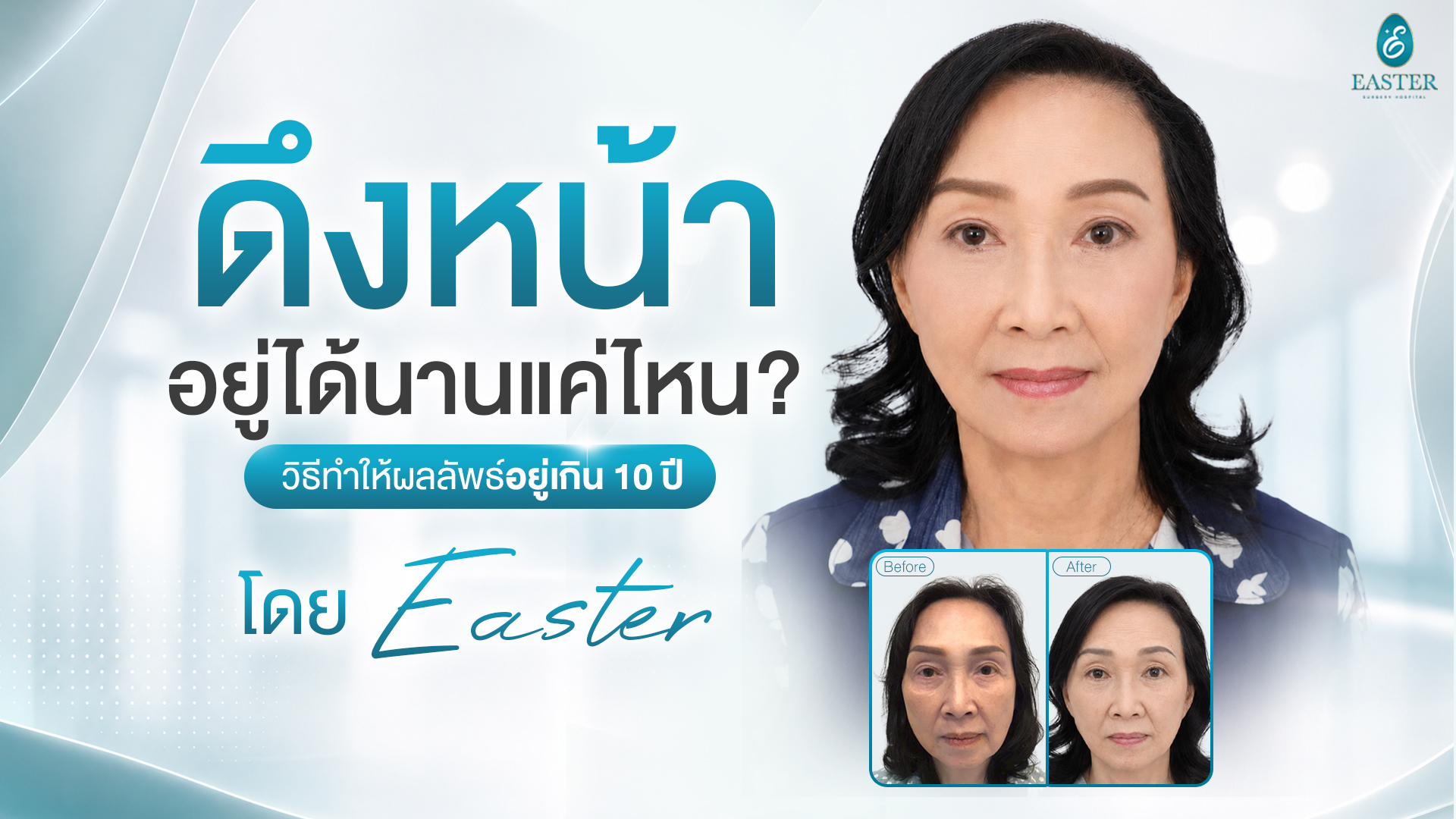
How Long Does a Facelift Last? How to Maintain Results...
Read MoreHolistic Anti-Aging Program: Restoring Skin, Hormones, Cells, and Sleep

Holistic Anti-Aging Program: Restoring Skin, Hormones, Cells, and Sleep...
Read MoreHow Long Does a Facelift Last? The Answer, Plus 5 Factors That Affect Results

How Long Does a Facelift Last? The Answer, Plus 5...
Read MoreNot Happy With Your Facelift? Understanding Revision Facelift Before Deciding on Corrective Surgery
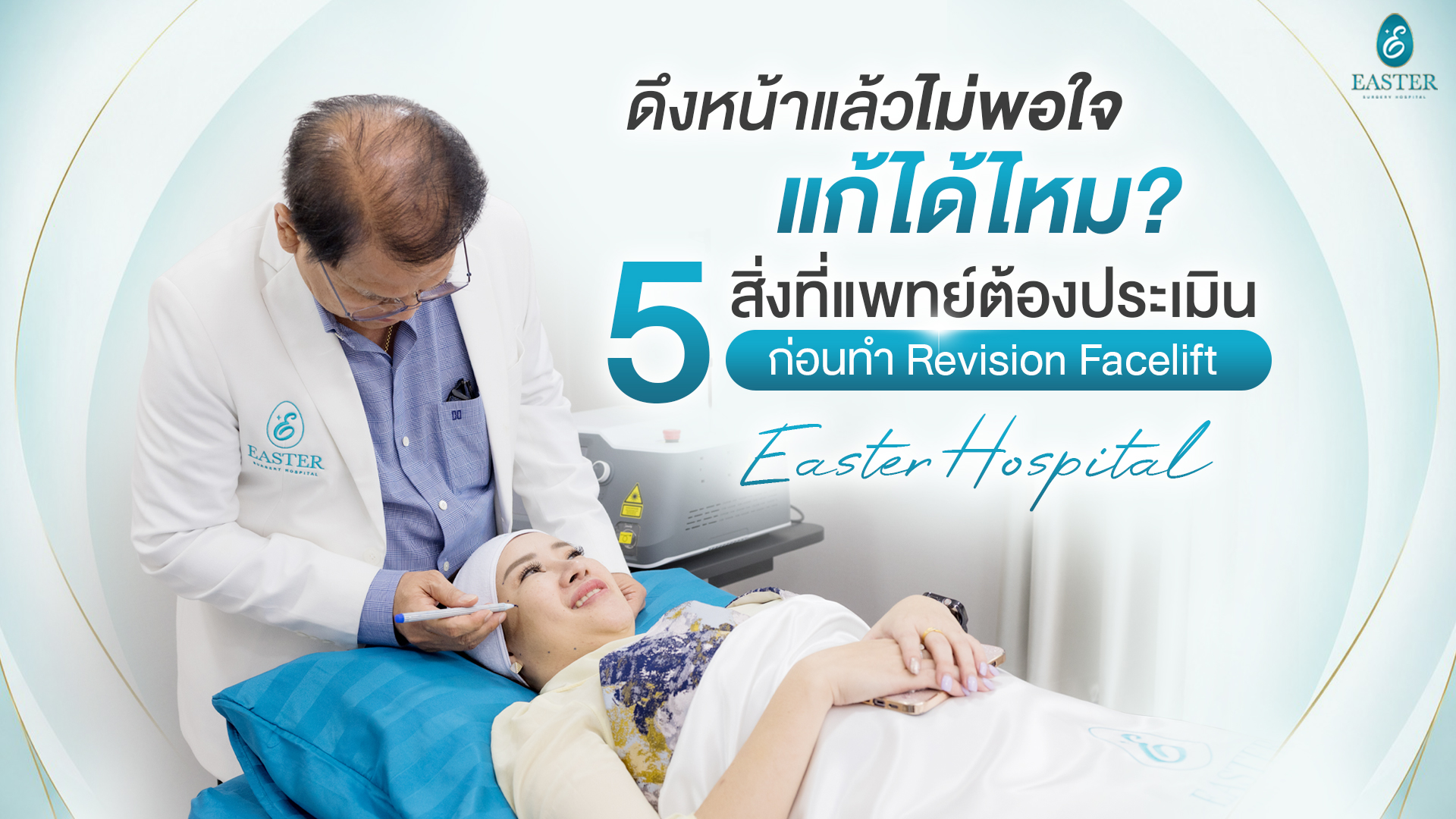
Not Happy With Your Facelift? Understanding Revision Facelift Before Deciding...
Read MoreNeed a consultation?
Send us an email
EasterHospital@gmail.com
Give us a call
084-164-4441
We're here to support you every step of the way. If you have any questions, need more information, or would like to schedule a consultation with one of our experts, please feel free to contact us.
Frequently Asked Questions
We have compiled information from those interested in and who have used our services to ensure you receive accurate information. If you have any further questions, please feel free to contact us.
Preparation before and after surgery.
Before Surgery:
Avoid medications and supplements: Avoid pain relievers (Aspirin, Ibuprofen), vitamin E, fish oil, and various herbs for at least 2 weeks, as they may slow blood clotting.
Refrain from smoking and drinking alcohol for at least two weeks to promote faster wound healing and reduce the risk of infection.
Inform your health history: Provide your doctor with detailed information about any pre-existing conditions, drug allergies, or medications you regularly take.
Prepare your body: Get enough rest, and wash your body and hair thoroughly before the surgery.
After surgery:
Cold compress: Use for the first 48-72 hours to reduce swelling, then switch to a warm compress.
Sleep with your head elevated on a pillow: This should be done for the first 3-5 days to help reduce swelling faster.
Wound care: Keep the wound clean as instructed by your doctor. Avoid getting the wound wet in the initial period.
Take medication as prescribed: Continue taking the antibiotics and pain medication prescribed by your doctor until the course is complete.
How long does facial contouring surgery take and how much does it cost?
Surgery duration: This depends on the area being treated. Small procedures, such as buccal fat removal, may take 30-60 minutes. However, major surgeries, such as cheekbone reduction or V-line contouring, may take 2-4 hours.
Cost: Prices vary depending on the technique and individual needs. On average, they start from tens of thousands of baht up to hundreds of thousands of baht.
Recommendation: You should consult a doctor to assess your facial structure and get an accurate price estimate before making a decision.
Is rhinoplasty painful, and how long is the recovery period?
Pain: Patients will not feel any pain during the surgery because local anesthesia or general anesthesia is administered by an anesthesiologist. After the procedure, there may be a slight feeling of tightness or throbbing pain, which can be relieved with painkillers.
Recovery time :
First 3-7 days: Swelling and bruising will be most severe and will begin to fade by the second week.
1 month: The nose shape will begin to settle and look more natural.
3-6 months: The internal wounds have healed completely and the true shape of the nose becomes visible.
Are there any side effects from breast augmentation surgery?
All types of surgery carry risks, but these can be prevented and corrected if performed by a specialist. Possible side effects include:
Swelling and bruising: These are normal symptoms that will disappear on their own within 1-2 weeks.
Scarring: Doctors often hide scars in hard-to-see areas, such as under the breasts or in the armpits.
Capsular contracture: This can occur over the long term if the body creates too much tissue around the silicone implant. (Breast massage as recommended by your doctor can help reduce this risk.)
Changes in nipple sensation: This may be temporary or permanent, depending on the surgical technique.
