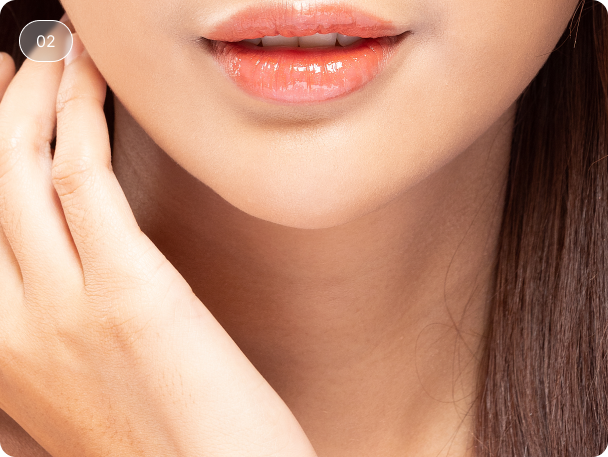
Chin augmentation is a cosmetic surgery procedure aimed at reshaping the chin to create better proportions and harmony with an individual’s face, especially for those with a short, flat, or receding chin. Chin augmentation helps to lengthen and slender the face, adding dimension and overall balance. However, the procedure must be performed by a qualified surgeon to ensure safe and natural-looking results.
Materials used in chin augmentation
The material commonly used for chin augmentation is medical-grade silicone. This material is safe, does not cause rejection by the body, can remain in the body permanently, and can be removed or adjusted if necessary.
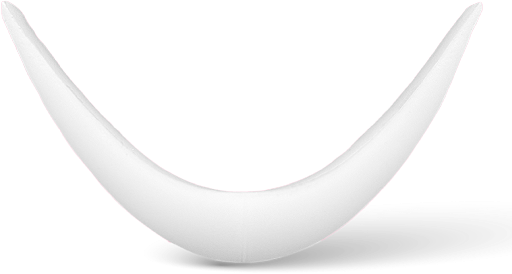
silicone Long shape
Ideal for faces with large jawlines, chubby cheeks, or an unbalanced chin, this type of silicone helps to create a more balanced and beautiful facial contour, best suited to your face shape.
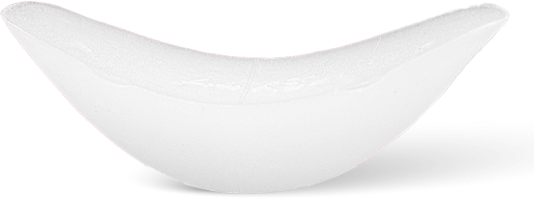
silicone Short style
Ideal for small faces or those seeking slight chin reshaping for better balance, this type of silicone implant helps create a natural-looking chin that complements individual facial features.
Types of Chin surgery program
Choosing the appropriate type depends on each individual's needs and facial structure. Generally, chin surgery can be categorized as follows:
Chin augmentation external wound
This procedure involves making an incision under the chin to insert a medical-grade silicone implant into the appropriate position. The advantage is that the doctor can clearly see the chin structure and make precise adjustments. However, the disadvantage is that a scar may form, depending on each individual's skin condition.
Chin augmentation internal wound
This procedure involves making an incision inside the mouth, resulting in no external scarring and a more natural appearance. Healing is faster than external incisions, but it requires specialized skill from the surgeon to correctly place the silicone implant and ensure it fits the facial structure.
Care After surgery
Take your medication exactly as prescribed by your doctor.
Avoid hard foods or foods that require a lot of chewing during the first 3-5 days.
Avoid applying pressure to the chin area, such as lying face down or forcefully leaning your head forward.
Avoid activities that may cause impact to the face.
Maintain good oral hygiene, especially if you have mouth sores.